

Catholic Movies
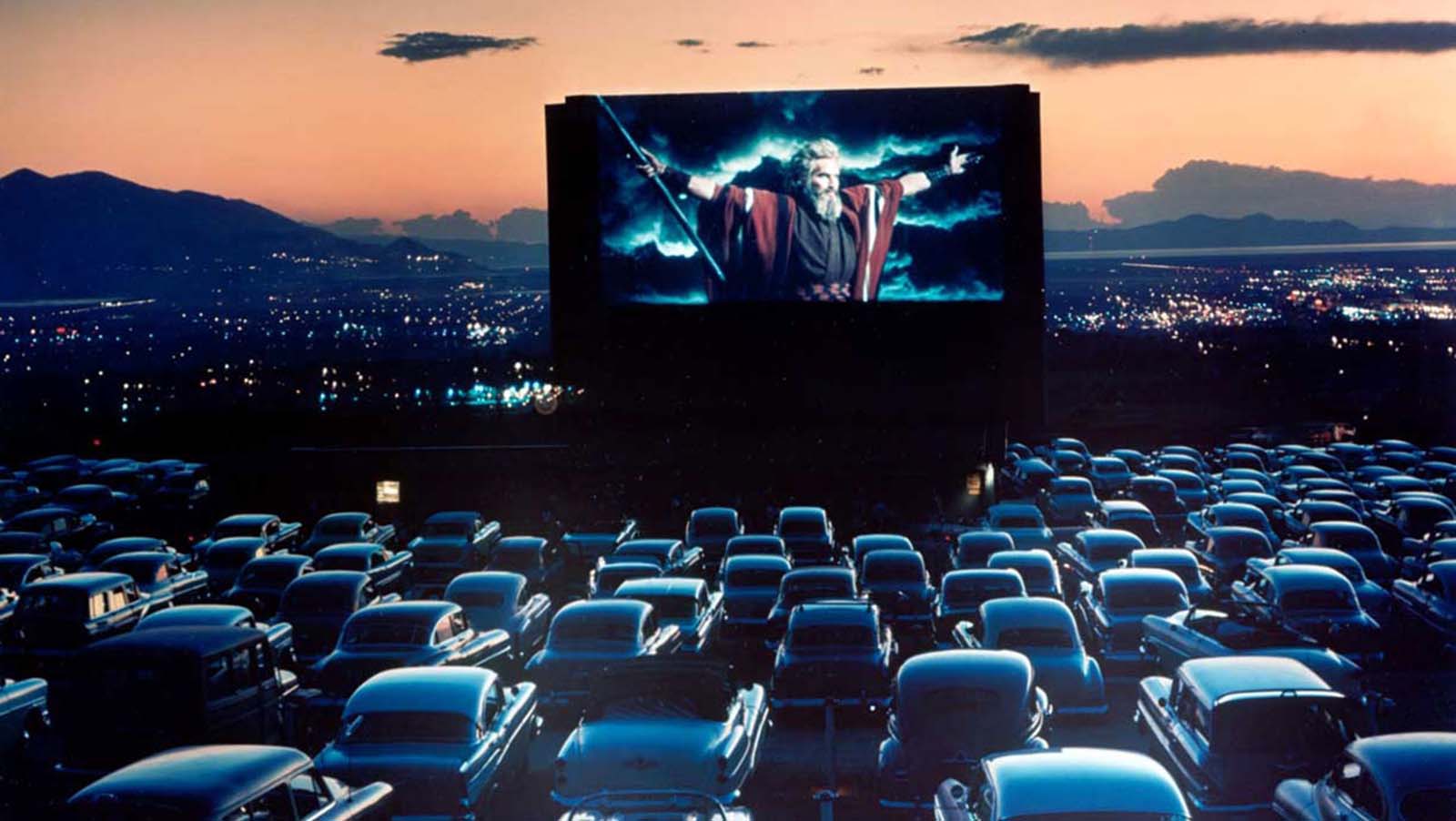
Catholic Film Timeline, arranged by depicted historical setting, with brief theological summaries for each era.
📖 Prehistoric &
Mythic Time
Theme: Creation, Awe, and the Mystery of Divine Order
-
1. The Tree of Life — Cosmic Creation & 1950s Texas
- Drink: Pinot Noir (Oregon or Burgundy with cherry and forest floor notes)
- Meal: Forest Mushroom Risotto with Cherry Reduction
- Symbol: The way of nature—complex, wounded, and redemptive
2. Noah — Antediluvian World
- Drink: Rainwater Martini (vodka, dry vermouth, splash of mineral water)
- Meal: Charred Root Vegetable Platter with Smoked Sea Salt
- Symbol: The flood, purification, and divine mystery
3. 2001: A Space Odyssey — Prehistoric & Future
- Drink: Star Child Martini (vodka, elderflower liqueur, Blue Curaçao)
- Meal: Blue Corn Polenta with Lemon Zest and Edible Flowers
- Symbol: Cosmic rebirth and divine encounter
📜 Biblical & Ancient
World (2000 BCE–500 CE)
Revelation, incarnation, and redemptive sacrifice
-
1. The Ten Commandments — 13th c. BCE
- Drink: Exodus Elixir
- Meal: Roasted Lamb with Bitter Greens and Flatbread
- Symbol: Liberation, covenant, and prophetic fire
2. King of Kings — 1st c. Judea
- Drink: Messiah’s Cup
- Meal: Fig-Glazed Pork Loin with Barley Pilaf
- Symbol: Incarnation and royal humility
3. Vie et Passion du Christ — 1st c. Judea
- Drink: Passion Infusion
- Meal: Hibiscus-Braised Lentils with Honeyed Carrots
- Symbol: Suffering, beauty, and divine compassion
4. The Gospel According to St. Matthew — 1st c. Judea
- Drink: Beatitude Brew
- Meal: Pear and Goat Cheese Salad with Sage Vinaigrette
- Symbol: Simplicity, mercy, and radical grace
5. Ben-Hur — 1st c. Roman Judea
- Drink: Chariot Flame
- Meal: Blood Orange–Glazed Chicken with Root Vegetables
- Symbol: Justice, redemption, and divine encounter
6. Barabbas — 1st c. Rome
- Drink: Shadow & Mercy
- Meal: Espresso-Rubbed Beef with Cherry Compote
- Symbol: Substitution, guilt, and unexpected grace
7. Jesus of Nazareth — 1st c. Judea
- Drink: Nazareth Nectar
- Meal: Rosewater Chicken with Grape Glaze and Almonds
- Symbol: Tenderness, divinity, and the human face of God
8. The Robe — 1st c. Judea
- Drink: Martyr’s Mantle
- Meal: Blackberry-Braised Lamb with Purple Cabbage
- Symbol: Witness, transformation, and the mystery of faith
9. Paul, Apostle of Christ — 1st c. Rome
- Drink: Road to Damascus
- Meal: Lemon-Basil Lentil Soup with Crusty Bread
- Symbol: Conversion, mission, and enduring hope
Summary: These films form the liturgical heart of the timeline. They dramatize the Incarnation, Passion, and early Church witness. The Eucharist is embodied in suffering, mercy, and transformation.
🏰 Medieval &
Renaissance (500–1600)
Martyrdom, vocation, and artistic witness
- The
Flowers of St. Francis — 13th c. Italy
- Francesco
— 13th c. Italy
- Brother
Sun Sister Moon — 13th c. Italy
- Braveheart
— 1290s Scotland
- Kristin
Lavransdatter — 14th c. Norway
- The
Passion of Joan of Arc — 15th c. France
- Joan
of Arc — 15th c. France
- Andrei
Rublev — 15th c. Russia
- The
Lady’s Not for Burning — 15th c. England
- A
Man for All Seasons — 16th c. England
Summary: This era reveals holiness in conflict—between Church and state, vocation and violence. Martyrdom becomes a liturgical act. Artistic witness is Eucharistic: beauty as sacrament.
🪞 Early Modern
(1600–1800)
Mission, mercy, and the tension between faith and empire
- Black
Robe — 1634 New France
- Monsieur
Vincent — 17th c. France
- Silence
— 17th c. Japan
- The
Mission — 1750s Paraguay–Brazil
- Napoléon
— Late 18th c. France
Summary: These films explore the Church’s global expansion and its moral cost. Missionaries walk Eucharistic paths—often misunderstood, sometimes betrayed. Silence becomes sacrament.
🌍 19th Century
Marian vision, Eucharistic hospitality, and hidden
holiness
- Three
Godfathers — Late 1800s Arizona
- Nazarin
— Late 1800s Mexico
- The
Widow of Saint-Pierre — 1849 Saint-Pierre
- The
Song of Bernadette — 1858 France
- Little
Women — 1860s America
- The
Leopard — 1860s Sicily
- The Age of Innocence — 1870s New York
- Thérèse — 1870s–1890s France
- Babette’s Feast — 1871 Denmark
- The
Tree of Wooden Clogs — 1890s Italy
Summary: The Eucharist moves into domestic terrain—meals, family, hidden acts of mercy. Marian presence and sacramental hospitality become the new liturgy.
🌆 Early 20th Century
(1900–1945)
Conscience, suffering, and Eucharistic endurance
- The
Dead — 1904 Dublin
- Dersu
Uzala — Early 1900s Siberia
- The
Cardinal — 1910s–60s
- The
Keys of the Kingdom — 1910s–30s China
- Gandhi
— 1910s–40s India
- La
Grande Illusion — WWI France
- The
Diary of a Country Priest — 1920s France
- The
Fugitive — 1920s Mexico
- Ordet — 1920s Denmark
- Chariots of Fire — 1924 England
- Lady
for a Day — Early 1930s New York
- Black
Narcissus — 1930s Himalayas
- Make
Way for Tomorrow — 1930s America
- Modern
Times — 1930s America
- The
Nun’s Story — 1930s–40s Congo & Europe
- True Confessions — 1940s Los Angeles
- A Hidden Life — 1940s Austria
- The
Scarlet and the Black — 1943–44 Vatican
- Rome,
Open City — 1944 Italy
- Au
revoir les enfants — 1944 France
- Schindler’s
List — 1939–45 Poland
- The Burmese Harp — WWII Burma
- Summary: The Eucharist is tested in war, exile, and silence. Conscience becomes the altar. Grace hides in suffering.
🕰️ Mid–Late 20th Century
(1945–1989)
Memory, moral ambiguity, and mystical realism
- It’s
a Wonderful Life — 1940s America
- The
Lavender Hill Mob — 1950s London
- On
the Waterfront — 1950s New Jersey
- Wild
Strawberries — 1950s Sweden
- Shadowlands
— 1950s Oxford
- I
Confess — 1950s Quebec
- The
Wrong Man — 1953 New York
- La
Strada — Postwar Italy
- Household
Saints — 1950s–1970s New York
- Shoes
of the Fisherman — 1960s Vatican
- Doubt
— 1964 Bronx
- Letters
to Father Jaakob — 1970s Finland
- Au
Hasard Balthasar — 1950s–60s France
- The
Sacrifice — Cold War Sweden
- Dekalog
— 1980s Poland
- Wings
of Desire — 1980s Berlin
- A
Short Film About Love — 1980s Warsaw
Summary: These films explore interior terrain—grief, guilt, and moral tension. The Eucharist is hidden in memory, ambiguity, and mystical realism. Angels, animals, and silence become sacramental.
🌄 Post-1990s /
Contemporary Terrain
Pilgrimage, healing, and Eucharistic mystery
- The
Spitfire Grill — 1990s Maine
- Of
Gods and Men — 1990s Algeria
- The Straight Story — 1994 Iowa–Wisconsin
- The
Three Burials of Melquiades Estrada — Late 1990s–early 2000s Texas
& Mexico
- About Schmidt — Early 2000s Nebraska
- Henry
Poole Is Here — 2000s Los Angeles suburb
Summary: These films mark a return to the road, the table, and the neighborhood. The Eucharist is no longer hidden—it’s broken open in grief, hospitality, and pilgrimage. Healing comes not through triumph, but through quiet fidelity and shared meals.
🚀 Future & Cosmic
Terrain
Eschatology, divine encounter, and cosmic mercy
- Contact
— Near-future Earth & Vega
- Arrival
— Near-future Earth
- Children
of Men — Near-future dystopia
- The
Midnight Sky — Post-apocalyptic Earth
- WALL·E
— Post-Earth future
- Blade
Runner 2049 — Future Earth
- The
Matrix — Simulated future
- Interstellar
— Earth & distant galaxy
- Solaris
— Space station orbiting memory
- The
Fountain — Past, present, and future
- Star
Trek: First Contact — 21st–24th century
- Star
Trek: The Motion Picture — 23rd century
- Star
Trek II: The Wrath of Khan — 23rd century
Summary: These films lift the timeline into eschatological imagination. Time bends toward mercy. Love becomes the final gravity. The Eucharist is cosmic—hidden in memory, revealed in sacrifice, and fulfilled in resurrection.
✨ Final Theological Arc: A Cinematic Lectionary
timeline is a sacramental pilgrimage through history.
It begins in cosmic silence and ends in cosmic communion. Along the way:
- Creation
is liturgy — (The Tree of Life, Noah)
- Incarnation
is drama — (Jesus of Nazareth, Ben-Hur)
- Martyrdom
is Eucharist — (Joan of Arc, A Hidden Life)
- Conscience
is altar — (A Man for All Seasons, True Confessions)
- Hospitality
is sacrament — (Babette’s Feast, The Spitfire Grill)
- Memory
is resurrection — (The Dead, Solaris)
- Pilgrimage
is healing — (The Straight Story, Melquiades Estrada)
- Sacrifice
is cosmic — (Interstellar, The Fountain)


Comments
Post a Comment