


FITNESS FRIDAY — FORGE OF AGES (CATHOLIC)
Week 16 — The Frontiersman: The Resourceful Body
December 4, 2026
Forge of Ages is a year-long journey through history's great physical archetypes. Each week focuses on one practical body principle, one nutrition lesson, and one spiritual virtue. The goal is not just fitness. The goal is readiness: becoming stronger, more capable, and more useful in service to faith, family, work, and community.
WHY THIS MATTERS
The knight protected.
The Swiss pikeman endured.
The Swiss Guard remained vigilant.
The musketeer learned precision.
The frontiersman learned something equally important:
Adaptability.
Life on the frontier rarely went according to plan. Weather changed. Equipment broke. Food supplies ran low. Roads disappeared. Help was often days away.
Success belonged to the person who adjusted, improvised, and kept moving forward.
Modern life is no different.
The perfect schedule disappears.
The workout gets interrupted.
Unexpected bills arrive.
Family needs arise.
Health problems appear.
Many people quit when circumstances change.
The Frontiersman teaches another path.
Adapt.
Adjust.
Continue.
A missed workout does not require abandoning fitness.
A difficult season does not require abandoning prayer.
A setback does not require surrender.
The Christian life is filled with examples of holy resourcefulness.
St. Paul preached in prisons.
Missionaries crossed oceans with almost nothing.
Saints built schools, hospitals, and churches under conditions that seemed impossible.
They were not successful because circumstances were easy.
They were successful because they remained faithful when circumstances were hard.
Resourcefulness is not merely finding another way.
It is finding God's way forward when our original plans fail.
The Frontiersman asks:
Can I continue the mission when conditions are less than ideal?
BODY FOCUS
Practical Endurance
This week's objective is simple:
Keep moving forward.
Training benefits:
- Improved functional endurance
- Better balance and coordination
- Increased grip strength
- Greater resilience during fatigue
- Enhanced confidence in difficult conditions
The frontiersman did not train in perfect facilities.
He trained through labor, travel, carrying loads, climbing hills, and adapting to the terrain before him.
Fitness is not about ideal conditions.
Fitness is about capability.
The man who can carry, climb, walk, lift, and endure possesses practical strength that serves both daily life and emergencies.
This week, focus less on intensity and more on usefulness.
Strong enough.
Steady enough.
Ready enough.
TABLE FOCUS
Eating What Sustains
Frontiersmen valued food because food meant survival.
Every meal served a purpose.
The modern temptation is endless convenience.
The frontiersman's lesson is gratitude and simplicity.
This week's objective:
Eat for strength, not entertainment.
Breakfast
- Eggs and oatmeal
- Greek yogurt with nuts
- Whole-grain toast and peanut butter
Lunch
- Bean soup and bread
- Chicken and rice
- Tuna with fruit
Dinner
- Roast chicken and vegetables
- Lean beef stew
- Pork loin and potatoes
- Fish with rice and vegetables
The Frontiersman Rule
Before eating, ask:
"Will this help me continue the journey?"
Most meals should include:
✅ Protein
✅ Fruits or vegetables
✅ Whole-grain carbohydrates
✅ Water
✅ Reasonable portions
Simple meals prepared consistently build strength more effectively than elaborate diets followed occasionally.
The frontiersman survived because he used what was available wisely.
The Christian steward does the same.
SPIRIT FOCUS
Perseverance
Frontier life required patience.
Many journeys took weeks or months.
Progress often appeared slow.
The spiritual life is similar.
Growth rarely happens all at once.
Prayer forms habits.
Habits form character.
Character forms holiness.
Many souls become discouraged because they expect immediate change.
God often works gradually.
One prayer.
One confession.
One act of obedience.
One day at a time.
The frontiersman could not see the entire trail ahead.
He trusted the next step.
Faith often works the same way.
Prayer
Lord Jesus, teach me perseverance when plans fail and obstacles appear. Help me trust You when the way ahead is uncertain. Give me the courage to adapt, the wisdom to continue, and the faith to take the next faithful step each day. Amen.
THE WORKOUT
Tuesday — Trail Strength
Warm-Up
- Brisk Walk × 5 minutes
- Arm Circles × 20
- Bodyweight Squats × 10
- Hip Circles × 10 each direction
Main Circuit
Complete 4 Rounds:
- Goblet Squat × 12
- Push-Ups × 10
- Resistance Band Row × 12
- Farmer Carry × 60 seconds
- Plank × 30 seconds
Rest 60 seconds between rounds.
Cool Down
- Easy Walk × 5 minutes
Total Time: 35-40 minutes
Mission: Build useful strength that can be carried into everyday life.
Thursday — Wilderness Conditioning
Warm-Up
- Easy Walk × 5 minutes
Conditioning
Repeat 8 Times:
- Fast Walk × 90 seconds
- Easy Walk × 90 seconds
After the final round:
- Farmer Carry × 3 minutes
- Focus on posture and controlled breathing
Finish
- Single-Leg Balance × 30 seconds each side
- Repeat Twice
Total Time: 35-45 minutes
Mission: Stay steady as conditions become challenging.
Sunday — Frontier Trek
Walk continuously for 60 minutes.
Every 15 minutes:
- Stop
- Perform 10 Squats
- Perform 10 Standing Calf Raises
- Resume Walking
Focus on:
- Upright posture
- Steady breathing
- Terrain awareness
- Consistent pace
This is not a race.
This is preparation.
Mission: Develop endurance, awareness, and resilience.
RECOVERY
Three evenings this week:
- Calf Stretch × 30 seconds
- Hip Flexor Stretch × 30 seconds
- Hamstring Stretch × 30 seconds
- Chest Stretch × 30 seconds
Repeat twice.
Five to seven minutes total.
The frontiersman maintained his tools.
Your body is one of those tools.
Take care of it before problems become limitations.
WEEKLY CHALLENGE
Every day this week:
- Take a 15-minute walk outdoors
- Carry something moderately heavy for 2 minutes
- Drink water before every meal
- Pray one decade of the Rosary while walking
No excuses.
Conditions may change.
The mission remains.
THIS WEEK'S TAKEAWAY
Mind: Adapt when plans change.
Body: Build practical capability.
Table: Eat for strength and endurance.
Spirit: Practice perseverance.
The Knight taught responsibility.
The Swiss Pikeman taught steadfastness.
The Swiss Guard taught vigilance.
The Musketeer taught precision.
The Frontiersman teaches resourcefulness.
The man who keeps moving forward despite obstacles eventually reaches places that others never see.
The Knight asks: Who can depend on me when I arrive?
The Swiss Pikeman asks: Will I still be standing when the hard season comes?
The Swiss Guard asks: Am I faithfully watching the post God has given me?
The Musketeer asks: Am I aiming my efforts at what matters most?
The Frontiersman asks: When the trail disappears, can I still find a faithful way forward?
NEXT WEEK IN THE FORGE
Week 17 — The Legionary: The Disciplined Body
The Frontiersman teaches resourcefulness.
The Legionary teaches discipline.
Roman legionaries marched hundreds of miles, carried heavy loads, built roads, constructed fortifications, and performed their duties day after day regardless of weather, comfort, or personal preference.
Next week's workouts will emphasize marching endurance, loaded carries, core stability, consistency, and the power of disciplined repetition.
The resourceful man finds a way forward. The legionary follows that path faithfully every day.
Smoke in This Life; Not the Next
Fri, Dec. 4 – St. John of Damascus
Virtue: Doctrine & Beauty
Cigar: Rich, articulate (Sumatra)
Bourbon: Elijah Craig Toasted Barrel – warm, theological
Reflection: “What beauty defends the truth?”
St. John of Damascus lived during a time when many sought to strip beauty from the life of the Church. As the great defender of sacred images, he argued that because God truly became man in Jesus Christ, the visible world can reveal invisible truths. Christ took on flesh. Therefore matter matters. Wood, paint, stone, music, architecture, and sacred art can all draw the heart toward God when rightly ordered. John understood that beauty is not an ornament added to truth. Beauty is often one of truth's most effective defenders.
The warning found in the old Cistercian account of the suffering monk in Purgatory: Explained by the Lives and Legends of the Saints points to a different danger. The monk's great failure was not open rebellion but culpable tepidity. Familiar prayers became routine. Sacred duties became mechanical. The extraordinary gifts of God slowly became ordinary in his eyes. The result was a painful purification after death. The lesson is uncomfortable but important. Spiritual decline often begins not with dramatic sin but with quiet indifference.
St. John of Damascus offers the remedy. Beauty awakens wonder. Wonder awakens gratitude. Gratitude rekindles love. As the Sumatra burns with layered complexity and the toasted bourbon unfolds its warmth, consider the holy things surrounding you. A crucifix, a rosary, the Mass, Scripture, and the sacraments are not scenery. They are invitations. The soul that still sees beauty in God's gifts rarely grows cold.
Prayer:
St. John of Damascus, pray that I may love the truth, cherish the beauty of the faith, and never grow indifferent to God's gifts. Lord Jesus, preserve me from tepidity and draw my heart ever closer to You. Amen.
Question for Reflection:
What gift of God have I begun to take for granted, and how can I approach it today with renewed wonder?
(CCC 2500): "The practice of goodness is accompanied by spontaneous spiritual joy and moral beauty."
DECEMBER 4 First
Friday of Advent
St. Barbara-33 days-Chanukah begins at Sundown
Proverbs, Chapter 1, Verse 7
FEAR of the LORD is the beginning of knowledge; fools despise
wisdom and discipline.
What do the World, the flesh, and
the devil say in opposition to this verse?
The World says: "The beginning of knowledge is human
achievement. Trust experts, institutions, trends, and public opinion. Success
is measured by power, wealth, influence, and being accepted. Wisdom is learning
how to get ahead, avoid criticism, and keep comfortable."
The Flesh says: "The beginning of knowledge is self. Trust your
feelings, appetites, and desires. If it feels good, do it. Discipline is
oppressive, sacrifice is foolish, and the highest good is personal
satisfaction."
The Devil says: "You do not need God. Be your own master.
Knowledge is power, and power makes you free. Good and evil are yours to
define. Humility is weakness, obedience is slavery, and repentance is for
fools."
But the Lord says: "The beginning of knowledge is not
information, intelligence, influence, feelings, or power. It is the fear of the
Lord: a reverent awe that recognizes God as God and man as man. The wise person
first bends the knee before he opens his mouth. He submits himself before he
seeks to rule others. He accepts discipline before he seeks authority.
Everything else rests on that foundation."
Reflection: The world tells me to trust what is fashionable. The
flesh tells me to trust what is comfortable. The devil tells me to trust
myself. Yet all three have one thing in common: they push God from the throne
and place something else there. Proverbs remind me that wisdom begins when I
stop pretending to be my own god. The fear of the Lord is not terror but right
order. God is God. I am not. The more firmly that truth is planted in a man's
heart, the wiser he becomes. The fool rejects correction because he worships
his own judgment. The wise man accepts correction because he fears offending
the One who made him. That is where knowledge begins, and that is why wisdom,
discipline, and holiness always travel together.
Copilot’s Take
The Catechism teaches that true wisdom begins
when man recognizes God as God and himself as a creature. America often treats
its problems as merely political, economic, or social, but Proverbs points
deeper. When a people no longer fear the Lord, they begin to trust wealth,
power, pleasure, ideology, or themselves. The result is confusion about truth,
weakening of families, disregard for human dignity, and a culture that prizes
rights more than responsibilities.
Confronting evil requires more than winning
arguments or elections. It requires conversion. Fathers and mothers must form
children in virtue. Churches must proclaim truth with courage and charity.
Citizens must reject the temptation to excuse evil when it benefits their side.
The saints changed nations not primarily through power, but through holiness.
They fought darkness by becoming light.
The world says, "Change the
system." The flesh says, "Satisfy yourself." The devil says,
"Serve no one but yourself." Christ says, "Repent and
believe." What MUST change is our willingness to place God back at the center
of personal life, family life, and public life.
First Friday Devotion[1]
Nine consecutive Fridays in reparation to the Sacred Heart of Jesus
Our Lord appeared to St.
Margaret Mary Alocoque (1647-1690), a French nun in the
Visitation Order, and gave her the special task to spread devotion to His Most
Sacred Heart at a time when religion was growing cold in the hearts of mankind.
He said to her:
“Behold this heart which, not withstanding the burning love
for men with which it is consumed and exhausted, meets with no other return
from most Christians than sacrilege, contempt, indifference and ingratitude,
even in the sacrament of my love [the Eucharist]. But what pierces my heart
most deeply is that I am subjected to these insults by persons especially
consecrated to my service.” Jesus asked for special prayers and practices to
make amends (reparation) for this great neglect to the proper reverence owed
to God. For those who did this faithfully, he made what St. Margaret Mary
referred to as the “Great Promise” which was the last and greatest of the Twelve Promises of the Sacred Heart of Jesus.
“I promise you in the unfathomable mercy of my heart that my
omnipotent love will procure the grace of final penitence for all those who
receive communion on nine successive first Fridays of the month; they will not
die in my disfavor [the grace of final repentance], or without having received
the sacraments, since my divine heart will be their sure refuge in the last
moments of their life.”
Conditions to Fulfill the First Friday Devotion
The specific conditions to receive the Great Promise of the
Sacred Heart of Jesus are:
1. Receive Holy Communion on nine consecutive first Fridays
of the month (this assumes that the person is in a state of grace, having made
a sacramental confession for any mortal sins prior to receiving communion).
2. Having the intention, at least implicitly, of making
reparation to the Sacred Heart of Jesus for all the sinfulness and ingratitude
of men.
Feast of St. Barbara [2]
Barbara (from Nicomedia)
was the daughter of a pagan noble who worshipped false gods. Because of her
striking beauty, her father enclosed her in a tower to hide her from the snares
of men. Barbara vowed virginity, and during an absence of her father had a
third window added to her quarters in honor of the Blessed Trinity; at the same
time, she also adorned her bath with the sign of the holy Cross. Upon his
return her father was so angered over these changes that a miracle was needed
to save her life. She was presented before the magistrate, subjected to much
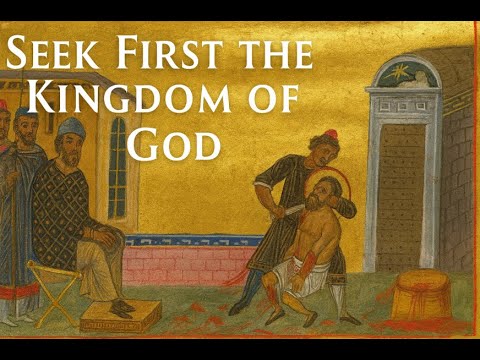
torturing, and finally her own father wielded the sword that severed her head.
Immediately God's vengeance struck him dead. The holy virgin is highly honored
both in the East and the West as patroness of artillery men and of miners. She
is especially invoked for preservation from sudden death. She is one of the
"Fourteen Holy Helpers."
In the past, the following prayer to St. Barbara was often
recited:
Saint
Barbara, thou noble bride,
To thee my body I confide
As well in life as at life's end.
Come, aid me when I breathe my last,
That I may, ere here all is past,
Receive the Blessed Sacrament!
Barbara
Branches
St.
Barbara, one of the Fourteen Holy Helpers, is the patron saint of artillerymen,
miners, and a happy death. Though her feast on December 4 obviously belongs to
the cycle of saints and not to the temporal cycle of Advent, there is a custom
observed in her honor that ties into the meaning of the Advent season. A Barbara
branch is the name given to a twig that is broken from a fruit tree
(especially cherry), placed in a bowl of water, and kept in a warm, well-lit
part of the house, such as the kitchen. According to legend, if the Barbara
branch blooms on or before Christmas Day, good luck will come to the person
whose branch it is. Aside from this harmless superstition, Barbara branches are
reminiscent of the image from Isaiah of Christ as a Flower from the root
of Jesse (Is. 11.2; the Epistle for Advent Ember Friday); they can thus be
instructive in teaching children the meaning of Advent and Christmas. They are
also used as the Saint's tribute to the Christ Child in the manger, lovingly
placed in the crèche when they have blossomed.
Things to Do
Celebrating for the Feast of St.
Barbara.
See also Painting Angels, Saints and Their
Symbols for
a description of St. Barbara's symbols.
Have a St. Barbara's Party, Syrian Style.
Further reading:
Story of St. Barbara for Children
Encyclopedia of Catholic Saints
Short Biography and History by Father Weiser.
Read about the German custom of St. Barbara's Twig, where every
member of the family puts a small cherry or peach branch into water so that it
will blossom on Christmas. If you have a young lady in your home desiring
marriage, the custom of St. Barbara's Cherry Twigs will have St. Barbara pick
the right husband for young unmarried girls. An alternative idea to this custom
would be forcing Amaryllis or other bulbs to bloom for Christmas. Start the
bulbs today!
St. Barbara is the patron of artillerymen. Offer your rosary or
say a prayer for all our enlisted men and women who are in harm's way. This
page provides the Legend of St. Barbara
and the explanation why she is the patron of artillerymen. Read the Ballad
of St. Barbara by G. K. Chesterton.
Read about Barbórka, Miners Day, which is
celebrated in Poland and other European countries.
33 days to Christmas-Start the 33 days to
Eucharistic Glory[3]
Want to start a small group? Download our 33 Days to Eucharistic Glory Study Guide
Day 13
On this 13th day, develop the strength not to yield and
maintain purity of mind and body.
Copilot:
Developing the strength to resist
temptation and maintain purity of mind and body is a continuous and rewarding
journey. Here are some practical steps and spiritual practices to help you stay
committed to this path:
Spiritual Practices
Daily Prayer:
Start and end your day with prayer, asking for God's strength and guidance to
stay pure in thought and action.
Scripture
Reading: Reflect on passages that encourage purity and strength. Verses like
Philippians 4:13 and Psalm 51:10 can be particularly uplifting.
Confession and
Eucharist: Regular participation in the sacraments can provide grace and
reinforcement of your commitment to purity.
Practical Steps
Mindfulness and
Meditation: Practice mindfulness to become more aware of your thoughts and
actions. Meditation can help you focus on positive and pure thoughts.
Accountability
Partners: Find a trusted friend or mentor with whom you can share your journey.
They can provide support, encouragement, and accountability.
Healthy
Boundaries: Set and maintain boundaries that protect your mind and body from
negative influences. This might include limiting exposure to certain media or
environments.
Lifestyle Habits
Exercise and
Nutrition: Maintain a healthy lifestyle through regular exercise and a balanced
diet. Physical well-being can positively influence mental and spiritual health.
Hobbies and
Interests: Engage in activities and hobbies that uplift you and keep your mind
occupied with positive pursuits.
Community Involvement
Faith Community:
Be active in your faith community, participating in group prayers, study
sessions, and service activities.
Volunteer Work:
Serving others can provide a sense of purpose and fulfillment, helping you stay
focused on positive values.
Example Prayer for Strength and
Purity
Here’s a prayer to help you seek
strength and purity:
Dear Lord,
Grant me the strength to resist temptation
and maintain purity of mind and body. Fill me with Your grace and help me to
stay focused on Your will. Guide my thoughts, words, and actions so that they
reflect Your holiness. Surround me with supportive friends and mentors who can
help me on this journey. May Your presence give me the courage and resolve to
live a pure and righteous life.
Amen.
Chanukah Begins at Sundown[4]
One wonders if Jesus and Mary celebrated Chanukah.
Chanukah (Hebrew: חנוכה) is an eight-day Jewish festival, also
known as the festival of lights. On each day a Menorah (an eight branched
candelabra) is lit with an ascending number of candles to match the day.
The reason for Chanukah is based on the story of the Maccabees battle
with the Greeks. It is told that one pure bottle of olive oil lasted for
eight days in the Holy Temple. It should have lasted only for the first
day.
Chanukah Facts
It is customary to eat fried foods on Chanukah
because of the significance of oil to the holiday. Among Ashkenazic Jews,
this usually includes latkes (potato pancakes fried in oil) and doughnuts.
A popular game during Hanukkah is dreidel. The
dreidel is a four-sided spinning top with one Hebrew letter inscribed on each
face/side. These letters are Nun (like N), Gimel (like G), Hei (Like
H) and Shin (like Sh). These letters stand for the Hebrew phrase Nes
Gadol Hayah Sham, a great miracle happened there, referring to the miracle of
the oil.
There is a special prayer called for the Miracles
said during all prayer sessions and grace after meals. In this prayer the
Lord is thanked for allowing the Jewish minority to overcome their much larger
and stronger enemies (a recurrent theme in Jewish survival).
Chanukah is not one of the Biblical festivals and
Jews are permitted to work on Chanukah.
Hanukkah
Top Events and Things to Do
An event that gathers much attention is the White
House Hanukkah Party. Watch it on TV (some parts are broadcast) or
YouTube.
Play a dreidel game, which consists of spinning a
special four-sided block with Hebrew letters. Once you're out of game pieces,
you can either get a loan or you're out until one person collects all of the
game pieces.
Make latkes and donuts at home. Many recipes
can be found online.
Listen to a special song is sung after the lighting
of the candles, called Maoz Zur, 'the Rock of our Salvation'. Many
renditions of it can be found on YouTube
The Holy Family almost certainly observed Chanukah
as part of their Jewish life, since Jesus, Mary, and Joseph were faithful Jews
living in first‑century Galilee and Judea.
The Gospels themselves hint at this: John 10:22–23
records Jesus in Jerusalem during “the Feast of Dedication” (Hanukkah), walking
in the Temple precincts.
🕎 What
Chanukah Meant in Their Time
Historical context: Chanukah commemorates the
rededication of the Temple in Jerusalem after the Maccabean revolt (2nd century
BCE). By the time of Jesus, it was already a well‑established winter festival.
Practices in the first century: Families lit lamps
(often oil lamps rather than candles), recited blessings, and remembered God’s
deliverance. Olive oil was the preferred fuel, echoing the miracle of the
Temple lamp.
Communal atmosphere: Chanukah was celebrated in
homes and in public spaces. Lamps were placed at doorways or windows to
“publicize the miracle.” Families gathered for prayer, storytelling, and
festive meals.
🌿 How the
Holy Family Likely Celebrated
Lighting lamps: Joseph, as head of household, would
have led the lighting of oil lamps each evening, with Mary and the child Jesus
participating.
Prayers and Psalms: Blessings thanking God for
miracles and deliverance would have been recited. Psalms of thanksgiving (like
Psalm 30 or 118) were commonly associated with Temple rededication.
Simple festive foods: While latkes and sufganiyot
are later traditions, the family likely ate foods fried in oil to recall the
miracle. In Galilee, this may have meant olive‑oil breads or fish.
Temple observance: When in Jerusalem, they would
have joined larger crowds at the Temple. John’s Gospel shows Jesus Himself
honoring the feast by teaching during Chanukah (John 10:22–23).
✨
Spiritual Significance
For the Holy Family, Chanukah was not just
cultural—it was a living memory of God’s faithfulness.
Mary and Joseph: As devout Jews, they would have
taught Jesus the meaning of dedication and trust in God’s providence.
Jesus: His presence at the Temple during Chanukah
shows He embraced its symbolism. Later, Christians saw Chanukah as
foreshadowing Christ Himself as the “Light of the World.”
📖 Closing
Reflection
Chanukah in the Holy Family’s life was a rhythm of light,
prayer, and remembrance. They lit lamps in Nazareth, prayed blessings of
thanksgiving, and when possible, joined the Temple celebration in Jerusalem. For
Christians today, reflecting on how Jesus Himself honored Chanukah can deepen
Advent: both seasons proclaim that God’s light shines in the darkness, and the
darkness has not overcome it.
Sources: Chabad’s guide to Chanukah practices, The
Everymom’s overview of Hanukkah traditions.
Jesse Tree[5]
Jesse
Tree Scriptures (The Symbols Are Only Suggestions)
December 1 Creation: Gen. 1:1-31; 2:1-4 Symbols: sun,
moon, stars, animals, earth
December 2 Adam and Eve: Gen. 2:7-9, 18-24 Symbols:
tree, man, woman
December 3 Fall of Man: Gen. 3:1-7 and 23-24 Symbols:
tree, serpent, apple with bite
December
4 Noah:
Gen. 6:5-8, 13-22; 7:17, 23, 24; 8:1, 6-22 Symbols: ark, animals, dove,
rainbow
MILITARY
HOP
🇩🇪 Spangdahlem, Germany
– Fog and Fortress
A week of hidden endurance, Eucharistic clarity, civic resilience, and
military recreation
Day 1 – Thu, Dec
4 – Arrival & Base Orientation
Lodging: Eifel Arms Inn – Spangdahlem AB
Evening walk in
Bitburg town square
Stop by Outdoor
Recreation (52d FSS) to check ski trips, hiking tours, and gear
rentals
Day 2 – Fri, Dec
5 – Roman Anchors & Fitness
Morning Mass at
Trier Cathedral
Visit Porta
Nigra
Afternoon
workout at the Spangdahlem Fitness Center
Dinner:
Sauerbraten with red cabbage
Day 3 – Sat, Dec
6 – Monastic Clarity & Bowling Night (St. Nicholas Day)
Pilgrimage to St. Matthias Basilica
Explore Roman Baths of Trier (Kaiserthermen)
Evening bowling
or intramural sports via MWR programs
Day 4 – Sun, Dec
7 – Civic Witness & Sunday Mass (Second Sunday of Advent)
Sunday Mass at Trier
Cathedral or St. Matthias Basilica
Visit Karl Marx House
Afternoon in
Trier’s museums and icon workshops
Explore DoD MWR Libraries
for devotional e‑books
Day 5 – Mon, Dec
8 – Nature & Outdoor Rec Trips (Feast of the Immaculate Conception)
Hike in Eifel
National Park
Join Outdoor
Rec’s seasonal ski trip (Zell am See or Ischgl) via 52d
FSS Outdoor Rec
Sunset prayer
in a village chapel
The cathedral is the
civic and Eucharistic anchor of Trier, making its Immaculate Conception Mass
the most prominent celebration in the city.
Typical schedule: 7:00 AM
daily Mass, with a solemn liturgy at 10:00 AM or 11:00 AM for feast days.
Day 6 – Tue, Dec
9 – Sacred Anchors & Community Night
Excursion to Maria
Laach Abbey
Evening Mass at
Speyer Cathedral
Social night at
the base community center (MWR events, family activities)
Day 7 – Wed, Dec
10 – Firelight Finale
Rooftop vigil
with candlelight in Bitburg
Ritual Act:
Pour wine into a chalice, light a candle in the fog, and name one fortress that
became mercy
Film Pairing: The
Ninth Day – Film info
Fitness
Friday
In the movie “Christmas.” we witnessed the
day “Ralphie” pronounced the big F word and as a result his mother in loving
correction immediately inserted a bar of soap in “Ralphie’s” nasty mouth. Today
let us look at our own nasty mouths. Caring for our teeth may improve your
fitness more than we realize.
Clean Mouth-Ralphie![6]
Taking care of your teeth is important for
all ages, but it’s especially important for older adults who may be at greater
risk of oral health problems. Adults 65 and older are at an increased risk for oral cancer, gum disease and cavities. Luckily, it’s
never too late to start taking better care of your teeth. With proper care, you
can maintain — or even improve — your oral health as you age. Here are six
things that help improve senior oral hygiene.
Cut Out Bad Habits-There are dozens of
reasons to quit smoking or chewing tobacco, and the health of your entire mouth
is no exception. If you’re currently using tobacco products, talk to your
doctor about healthy methods for quitting. And as you likely remember from
childhood, sugary foods like candy and soda can increase your risk for
cavities. Committing to healthy
eating
isn’t just good for your heart and waistline — it’s great for your teeth, too.
Increase Your Fluoride Intake-Many
municipalities have fluoride added to their drinking water, but you can also
incorporate a fluoride toothpaste or fluoride rinse into your daily care
routine, too. If necessary, you can even talk to your dentist about regular
fluoride treatments.
Be Diligent About Your Teeth Cleaning
Routine-It isn’t enough to simply brush your teeth twice a day, every day.
Additionally, you should floss at least once per day and consider rinsing with
an antibacterial mouthwash. Make sure to replace your toothbrush or brush head
every three months.
If You Have Dentures, Clean Them
Daily-Denture-wearers may have a different routine, but good oral hygiene is
still a priority. Follow your dentist’s instructions for keeping your dentures
clean so the rest of your mouth also stays clean and healthy.
Keep Your Mouth Hydrated-If you’re prescribed
a medication that causes dry mouth, make sure you’re taking extra steps to keep
your mouth hydrated. Drink lots of water and switch to sugar-free gum, if
you’re a gum chewer. (Bonus: Sugar-free gum is better for your teeth, too!)
Go to the Dentist-regular checkups with your primary
care physician,
going to the dentist is the single best thing you can do for your oral health.
Not only can your dentist give your teeth a good cleaning, but they’ll also be
able to identify oral health problems before they progress and give you tips
for taking care of your teeth. While the minimum recommendation is once per
year, many older adults prefer to see their dentist every six months just to
make sure everything is going well.
Around the Corner
Not only
that, but we even boast of our afflictions, knowing that affliction produces
endurance, and endurance, proven character, and proven character, hope, and
hope does not disappoint, because the love of God has been poured out into our
hearts through the holy Spirit that has been given to us. (Romans 5:3-5)
How to celebrate
Dec 4th
Start your day by celebrating Extraordinary
Work Team Recognition Day
with your coworkers.
Take a moment to appreciate each
other’s hard work and dedication.
Maybe bring in some cookies to
share as a sweet treat.
As you head out for the day, wear
your favorite pair of brown shoes with pride.
It’s the little things that can
make the day special.
During your lunch break, take a
stroll outside and observe the wildlife around you.
Use this time to reflect on the
importance of conservation efforts on World
Wildlife Conservation Day.
Maybe snap a few pictures of any
animals or plants you come across.
After work, unwind with a glass of
Cabernet Franc to celebrate Cabernet
Franc Day.
Pair it with some delicious cheese
or chocolate for a simple yet indulgent treat.
Play a game of dice with your
family or friends to keep the fun going.
As the evening rolls around, gather
around the fireplace or some candles for Carols
by Candlelight.
Sing some holiday tunes and enjoy
the warm glow.
Take a moment to write out your
wishes for the upcoming year on Santa’s List Day.
Before you call it a night, take a
few moments to appreciate the beauty of the Rockefeller
Center Christmas Tree Lighting.
Reflect on the joy and magic of the
holiday season.
Lastly, before you drift off to
sleep, make sure your packages are well protected on Package
Protection Day.
Daily Devotions
Unite in the work of the Porters
of St. Joseph by joining them in fasting: Today's Fast: Increase of the faithful
Religion in the home: Preschool for December
Offering to the sacred heart of Jesus
Make reparations to the Holy Face
Rosary
Detour (1945)
THE DANGER OF SELF-DECEPTION AND THE COURAGE OF RESPONSIBILITY
From Bad Luck to Moral Accountability
(Based on Detour, 1945)*
When Every Problem Is Someone Else's Fault
Most people know how to recognize obvious temptation.
Far fewer recognize self-deception.
In Detour, Al Roberts drifts through life convinced that fate has singled him out for misery. Every setback appears to confirm his belief that he is the victim of circumstances beyond his control. One wrong turn follows another until small compromises become overwhelming burdens. As the story unfolds, viewers are left wondering how much of his downfall truly belongs to bad luck and how much belongs to his own decisions.
The film remains powerful because it exposes a common spiritual weakness.
We often explain our failures by pointing to outside forces.
The economy.
The government.
Our upbringing.
Other people.
Bad timing.
Misfortune.
Sometimes those factors are real.
But the Christian life continually returns us to a more important question:
What am I choosing?
Scripture teaches that although we cannot control every circumstance, we remain responsible for our response. Saints endured poverty, illness, persecution, rejection, and suffering. Yet they discovered that holiness begins when excuses end.
The devil delights when people surrender responsibility.
Grace begins working when people accept it.
The lesson of Detour is not that life is fair.
The lesson is that blaming fate never heals the soul.
Responsibility does.
The Christian learns to stop asking, "Why is this happening to me?" and begin asking, "What is God calling me to do now?"
One question creates resentment.
The other creates growth.
Film Card – Detour (1945)
Detour • Film Noir • Drama • Psychological Crime Story • Approx. 68 Minutes
A hitchhiking nightclub pianist becomes entangled in a chain of misfortune, deception, fear, and moral compromise while trying to reunite with the woman he loves.
Themes: Responsibility • Fate vs. Free Will • Moral Choice • Fear • Guilt • Self-Deception
Cast: Tom Neal, Ann Savage, Claudia Drake, Edmund MacDonald
Production: Producers Releasing Corporation (PRC)
Historical Frame: Released during the closing months of World War II, the film reflects noir's growing interest in alienation, personal responsibility, and the darker side of human nature.
Production & Cultural Setting
Wartime America
Millions faced uncertainty and dramatic life changes.
Rise of Film Noir
Stories increasingly focused on moral ambiguity and flawed protagonists.
The Open Highway
Automobile travel symbolized both freedom and danger.
Fear of Isolation
Characters frequently found themselves alone with difficult choices.
Psychological Storytelling
Inner struggles became as important as external events.
Fatalism vs. Responsibility
Many noir films wrestled with whether men control their destiny.
Story Summary
The Musician
Al Roberts dreams of a better future.
The Journey
He hitchhikes across America seeking a new beginning.
The Accident
An unexpected event changes everything.
The Deception
One compromise leads to another.
The Manipulator
A dangerous companion intensifies the crisis.
The Collapse
Fear and guilt begin consuming the protagonist.
The Reckoning
Every decision carries consequences.
Moral & Spiritual Resonances
A. Small Choices Become Big Problems
Many disasters begin with seemingly minor compromises.
B. Excuses Cannot Heal the Soul
Blame often prevents growth.
C. Fear Distorts Judgment
Anxious decisions frequently worsen difficult situations.
D. Responsibility Creates Freedom
Acknowledging mistakes is the first step toward change.
E. Providence Works Through Choice
God's grace does not replace responsibility. It strengthens it.
Hospitality Pairing – Roadhouse America, 1945
Food – Found in the World of the Film
- Hamburger and fries
- Meatloaf with gravy
- Roast beef dinner
- Mashed potatoes
- Club sandwich
- Apple pie
- Cherry pie
- Diner coffee cake
Drink – Found in the World of the Film
- Black coffee
- Coca-Cola
- Root beer
- Bourbon
- Rye whiskey
- Beer
- Lemonade
Cigar
- Sumatra Wrapper
- Classic Habano
- Connecticut Shade
- Maduro Broadleaf
Atmosphere – Highways, Diners, and Shadows
- Nighttime roads stretching into darkness
- Small-town diners
- Cheap motel rooms
- Desert highways
- Cigarette smoke and neon lights
- Lonely railroad crossings
- Moral uncertainty
- Questions of guilt and innocence
- Reflection on personal responsibility
Personal Reflection
When do I blame circumstances instead of addressing my choices?
Am I carrying guilt that should be confessed?
Have I allowed fear to drive important decisions?
What excuses do I repeat most often?
Do I trust God's grace to help me begin again?
Am I willing to accept responsibility for my actions?
The world of Detour is dark because everyone searches for someone else to blame.
The Gospel offers a different path.
One story descends into fear and isolation.
The Gospel leads toward repentance and freedom.
One man becomes trapped by deception.
Christ invites sinners into truth.
One journey becomes a downward spiral.
The Christian journey leads upward through grace.
The temptation to blame fate remains powerful because it protects the ego. If circumstances are always responsible, then change becomes unnecessary. Yet spiritual maturity requires a different response. The saints teach that growth begins the moment a person stops making excuses and starts seeking God's will. Life will never be perfectly fair. Roads will close. Plans will fail. Unexpected suffering will arrive. But every day still contains choices. Every day still offers grace. The faithful Christian learns that while he cannot control every circumstance, he can always choose faith, responsibility, courage, and obedience.
"Each one shall bear his own load."
— Galatians 6:5 (RSV)


No comments:
Post a Comment